The Original Gay Porn Community - Free Gay Movies and Photos, Gay Porn Site Reviews and Adult Gay Forums



-
Welcome To Just Us Boys - The World's Largest Gay Message Board Community
In order to comply with recent US Supreme Court rulings regarding adult content, we will be making changes in the future to require that you log into your account to view adult content on the site.
If you do not have an account, please register.
REGISTER HERE - 100% FREE / We Will Never Sell Your InfoPLEASE READ: To register, turn off your VPN (iPhone users- disable iCloud); you can re-enable the VPN after registration. You must maintain an active email address on your account: disposable email addresses cannot be used to register.
You are using an out of date browser. It may not display this or other websites correctly.
You should upgrade or use an alternative browser.
You should upgrade or use an alternative browser.
Post something just for the heck of it
- Thread starter belamyi
- Start date
- Featured


Rubber Rat
JUB Addict


Harke the Boeotarch
Dreams Wash Away
Are you telling us you're a closeted acountant?

Are you telling us you're a closeted acountant?
How would I be doing that?
Harke the Boeotarch
Dreams Wash Away
How would I be doing that?
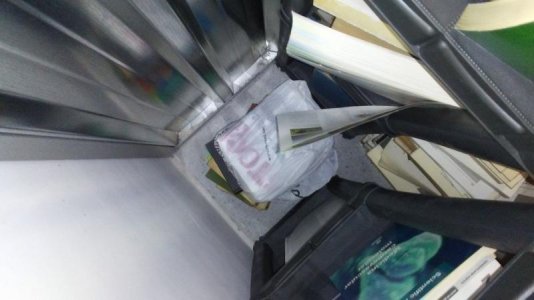
By showing us a picture you just took with your phone.

ChristianGianni
Time after some time you'll picture me ...
ChristianGianni
Time after some time you'll picture me ...
ChristianGianni
Time after some time you'll picture me ...
That is SO kool!!
- - - Updated - - -
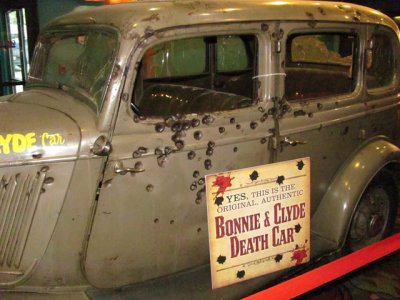
A bit dissappointing: not that many shots, and there is not even blood.
Last edited by a moderator:

- Joined
- Dec 25, 2005
- Posts
- 22,238
- Reaction score
- 120
- Points
- 63
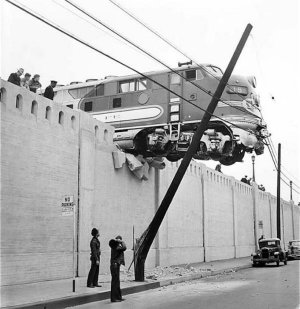
I wonder if the tension from the wires (cables) did just enough to slow the locomotive, to keep it from plunging over the wall? Scraping its undercarriage against the wall surely helped, too.

Araucaria
JUB 10k Club
^Considering the tremendous weight of a locomotive, it was surely going very slowly by the time it got to the wall and the cables; otherwise, it would have plowed right through them and kept on going. And we have no idea from the picture how many train cars were attached behind the locomotive. Notice the cars. This must have happened in the 1920s or 1930s. And you can make out the "Fe" on the side of the locomotive, identifying it as being owned by the Santa Fe line in the United States. A couple of engineering notes: This is a diesel locomotive, which was starting to replace the older steam locomotives. And I'm not sure when the telephone cables started replacing all the individual overhead wires you see in old photographs.
Araucaria
JUB 10k Club
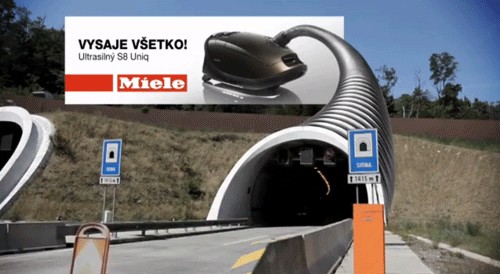
This image evokes the stories of the tunnel that people who have NDEs say we go through when we die. Hmm, I'm not sure I want to end up in a dark, dusty vacuum cleaner canister.

Last edited:

- Joined
- Sep 26, 2009
- Posts
- 120,310
- Reaction score
- 181,935
- Points
- 113
^Considering the tremendous weight of a locomotive, it was surely going very slowly by the time it got to the wall and the cables; otherwise, it would have plowed right through them and kept on going. And we have no idea from the picture how many train cars were attached behind the locomotive. Notice the cars. This must have happened in the 1920s or 1930s. And you can make out the "Fe" on the side of the locomotive, identifying it as being owned by the Santa Fe line in the United States. A couple of engineering notes: This is a diesel locomotive, which was starting to replace the older steam locomotives. And I'm not sure when the telephone cables started replacing all the individual overhead wires you see in old photographs.
Diesel locomotives have most of the weight in the back too.
- - - Updated - - -
For Vannie

Notice the cars. This must have happened in the 1920s or 1930s.
Notice the rest of the picture: men's fashion, quality of the picture, damn, look at the loco itself, and the car behind the older one to the bottom right: it's like dating a 2021 pic as 1985 only because you see a Cressida lost in some corner of the image.
Notice the cars. This must have happened in the 1920s or 1930s.
Notice the rest of the picture: men's fashion, quality of the picture, damn, look at the loco itself, and the car behind the older one to the bottom right: it's like dating a 2021 pic as 1985 only because you see a Cressida lost in some corner of the image.