Illiberalism Is Not Inevitable
If Viktor Orbán can lose, then his Russian and American admirers can lose too.
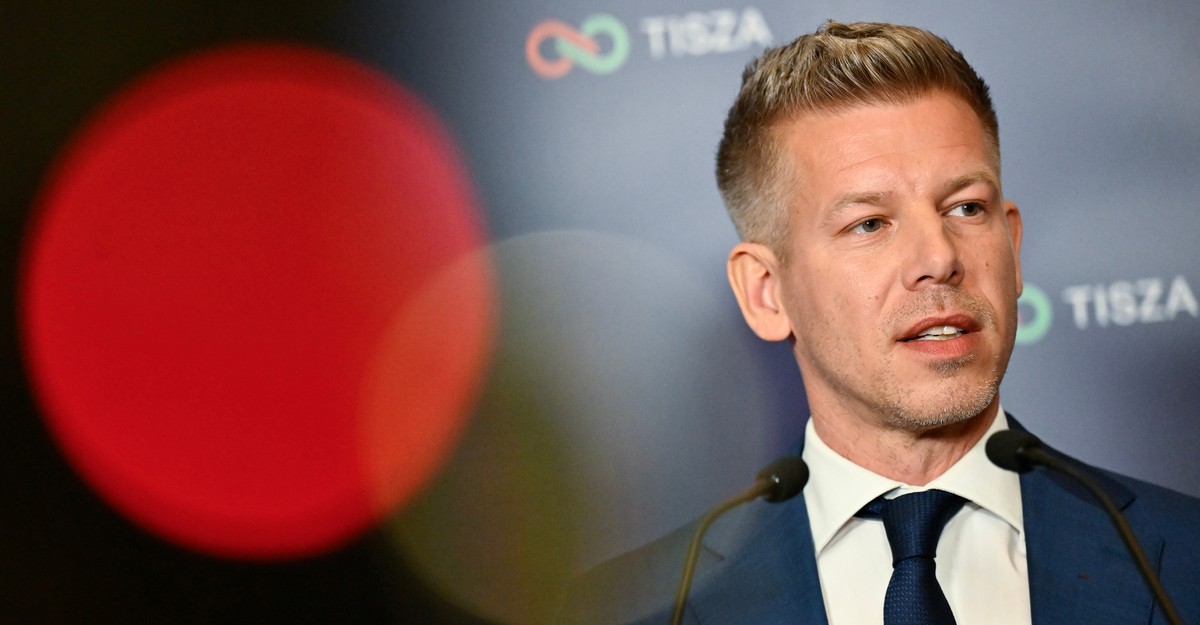
Orbán’s loss brings to an end the assumption of inevitability that has pervaded the MAGA movement, as well as the belief—also present in Russian President Vladimir Putin’s rhetoric—that illiberal parties are somehow destined not just to win but to hold power forever, because they have the support of the “real” people. As it turns out, history doesn’t work like that. “Real” people grow tired of their rulers. Old ideas become stale. Younger people question orthodoxy. Illiberalism leads to corruption. And if Orbán can lose, then his Russian and American admirers can lose too...
Those stories resonated, especially with younger Hungarians. At a rock concert in Heroes’ Square in central Budapest on Friday, tens of thousands of them started chanting “Russians, go home”—the same chant that their grandparents used when Soviet soldiers invaded their country in 1956.
But whatever happens next, this election represents a real turning point. For most European governments, this result is a relief: We can’t know yet what kind of government Tisza will create, but it won’t be one that functions as Russia’s puppet in Europe, blocking EU funding for Ukraine or European sanctions on Russia. Nor will it be a regime that serves as a model for Americans or Europeans who want to capture their own states, or take apart their own checks and balances, or impose their own illiberal ideologies on people who don’t accept them.





 www.wmnf.org