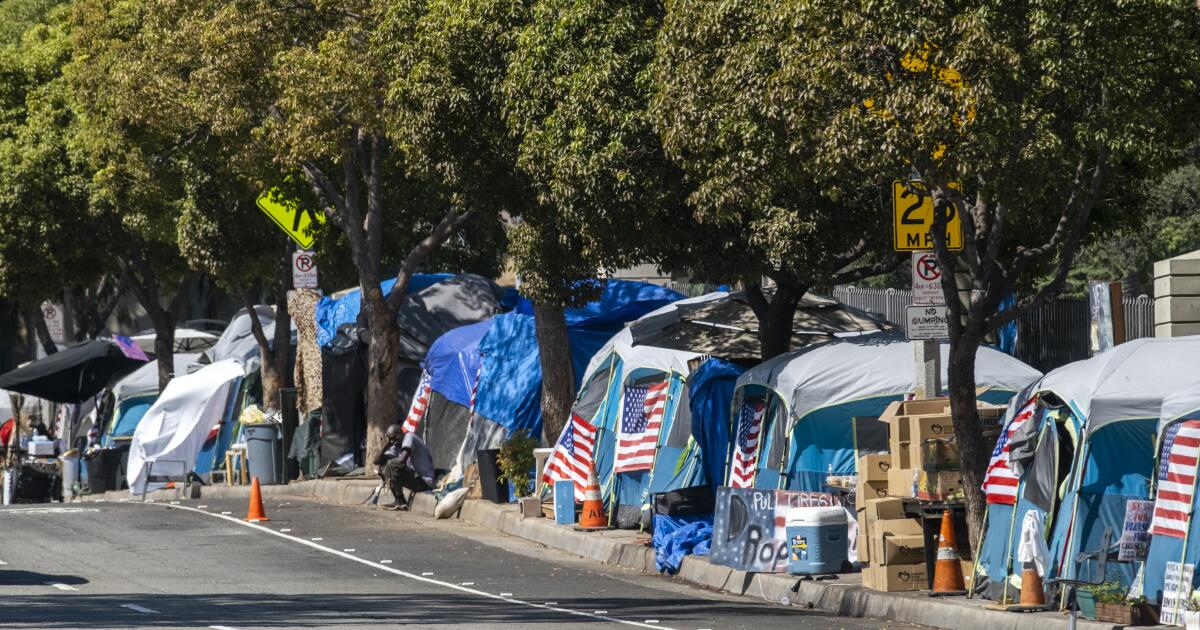
In 2023, HUD estimated there were over 600,000 homeless persons in the US. That includes over 300,000 in shelters.
The American Community Survey 5-year estimates provides a demographic profile of the population experiencing homelessness who lived in shelters.

www.census.gov
The website below estimates North America to have a homeless population of 1,000,000. Realize this includes Central America.

www.greaterchange.co.uk
The latter site estimates Germany's homeless population to number more than 600,000.
England, according to this site, has over 270,000 homeless, almost half of whom are children.
Shelter warns of bleak start to 2023 for those without a place to call home

england.shelter.org.uk
The relative total populations of the the US, Germany, and England are (in millions) 333, 84 & 56.
Thus, the quest for believable data and for highly relevant definitions. Let us assume all the numbers are exaggerated for political or advocasy reasons. Even then, you have large populations in all three named countries, but with vastly different laws, cultures, social attitudes, institutions, health and housing policies, and mental health profiles.
Like much of the culture wars, the discussion of homelessness is an endless rabbit warren of opinions, trigger points, half-truths, political attacks, and vague generalizations.
As a child, I was homeless several times due to my mother's lifestyle and her decisions to have four children without marrying, and without a career, or regular employment. We lived precariously, and at times were in flight due to domestic abuse, as well as my mother's criminal past and her aversion to relying on family ties except when she absolutely failed and was forced to swallow her pride and go back. MANY street people never do that.
Once I was of a majority and worked with charities that supported street people, I saw how common this kind of behavior is, less the children usually. They are by no means all the same, but there are patterns of social severance, stubbornness, sloth, crime, substance abuse, and mixed in among some who are severely mentally ill.
But, as the data just cited indicate, it's not an American problem. And it tends to be an urban problem.